At Plunge Pools Gold Coast, we help homeowners design and install compliant above-ground pools that meet all pool fence laws in QLD. We understand local council rules, QBCC pool regulations, and how to avoid costly mistakes during installation.
In this guide, you will learn the exact fence requirements, when a pool wall can act as a barrier, which pools are exempt, and what happens if you do not comply.
What Are the Fence Requirements in QLD?
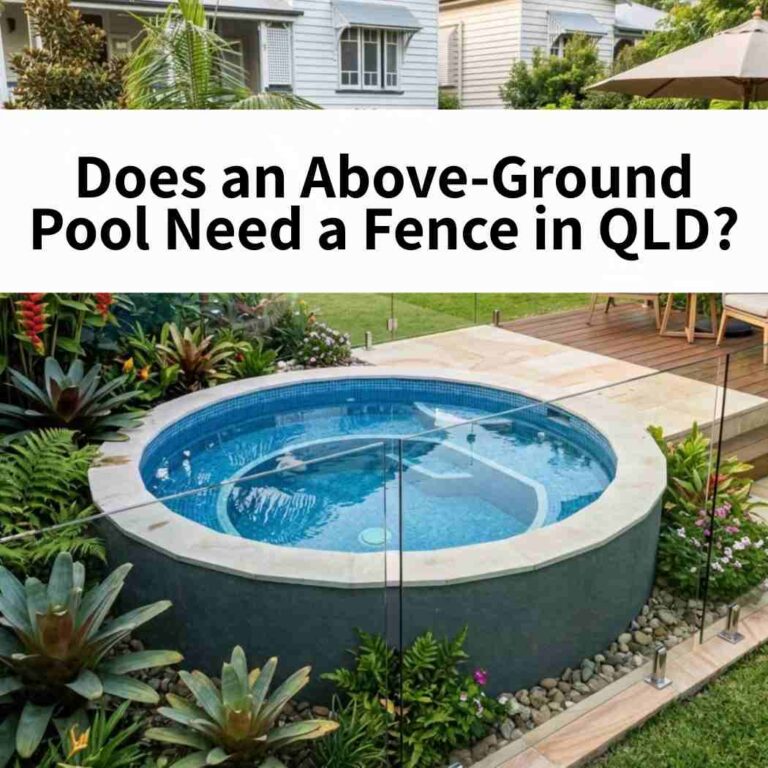
A pool fence in QLD must meet strict safety standards to prevent young children from accessing the pool area.
To comply with the above-ground pool fence QLD laws, your barrier must include:
- Minimum 1200mm fence height
- Maximum 100mm gaps between vertical bars
- A 900mm non-climbable zone around the fence and gate
- A self-closing, self-latching gate that opens outward
These rules follow the AS1926 standard and the QLD Development Code. On the Gold Coast, inspectors check these details closely during pool certification, including the effectiveness of each pool barrier.
If even one element fails, your pool may not pass inspection.
Can Above-Ground Pool Walls Act as a Fence?
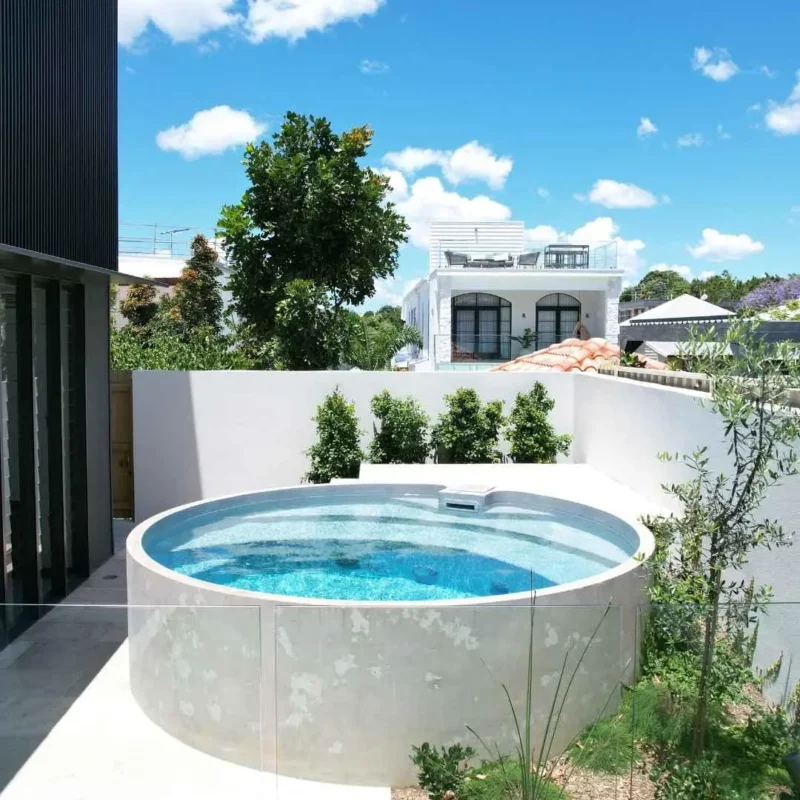
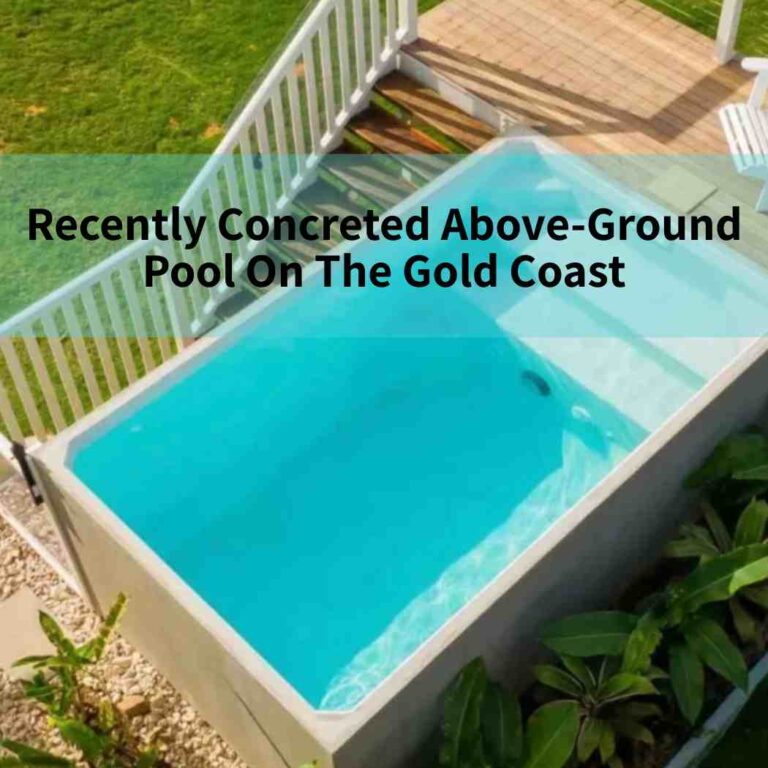
Yes, above-ground pool walls can act as a barrier, but only if they meet strict height and safety rules.
The pool wall must be at least 1200mm high and non-climbable from the outside. Smooth surfaces are usually required to prevent footholds from ground level.
However, the biggest risk is the entry point. You must secure:
- Pool ladders
- Steps or platforms
- Deck access points
This is where most compliance failures happen. Proper pool ladder safety and access control are critical, and any nearby structure, like a rail or platform, must also not create a climbable point.
What Pools Don’t Need a Fence?
You do not need a fence if the pool is classified as a small portable wading pool.
To be exempt in QLD, the pool must:
- Hold less than 300mm of water
- Have a capacity under 2,000 litres
- Has no filtration system
These are typically small children’s pools used for temporary outdoor enjoyment. Once you exceed any of these limits, your pool becomes regulated and must comply with full pool compliance QLD rules.
Do You Need Approval or Registration in QLD?
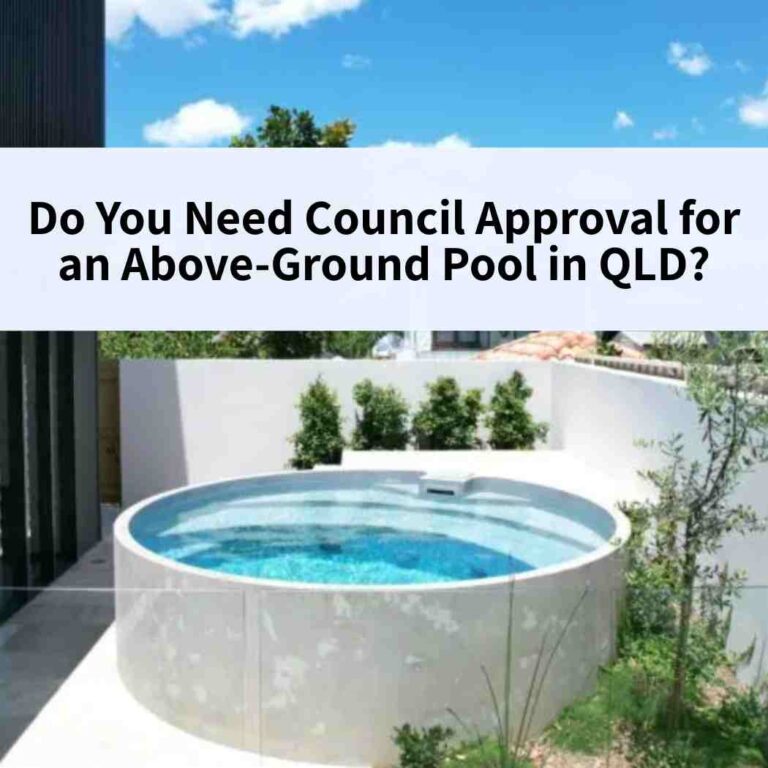
Yes, most above-ground pools in QLD must be registered and may require approval.
On the Gold Coast:
- Your pool must be listed on the QLD pool register (QBCC)
- You may need building approval before installation
- A pool safety certificate is required when selling or leasing your property
A licensed inspector will check your fence, gate, and barrier setup. Measurements such as fence height and gaps must be measured precisely to meet compliance standards.
What Happens If You Don’t Comply?
If your pool does not meet QLD fence laws, you can face fines, failed inspections, and serious safety risks.
Common consequences include:
- Failing your pool safety inspection
- Delays in selling or leasing your property
- Costly upgrades to fix non-compliant fences
- Potential pool safety penalties from local authorities
Most issues come from incorrect fence height, climbable objects, or faulty gates that are not well-maintained.
Conclusion
Yes. If your above ground plunge pool holds 300mm or more of water, a compliant fence is required in QLD.
The safest approach is to plan your fence and compliance early. This avoids delays, failed inspections, and extra costs.
If you are building an above-ground pool on the Gold Coast and want it done right the first time, contact Plunge Pools Gold Coast today and get a free quote for a fully compliant pool and fence solution.
FAQs
How much does a compliant above-ground pool fence cost in QLD?
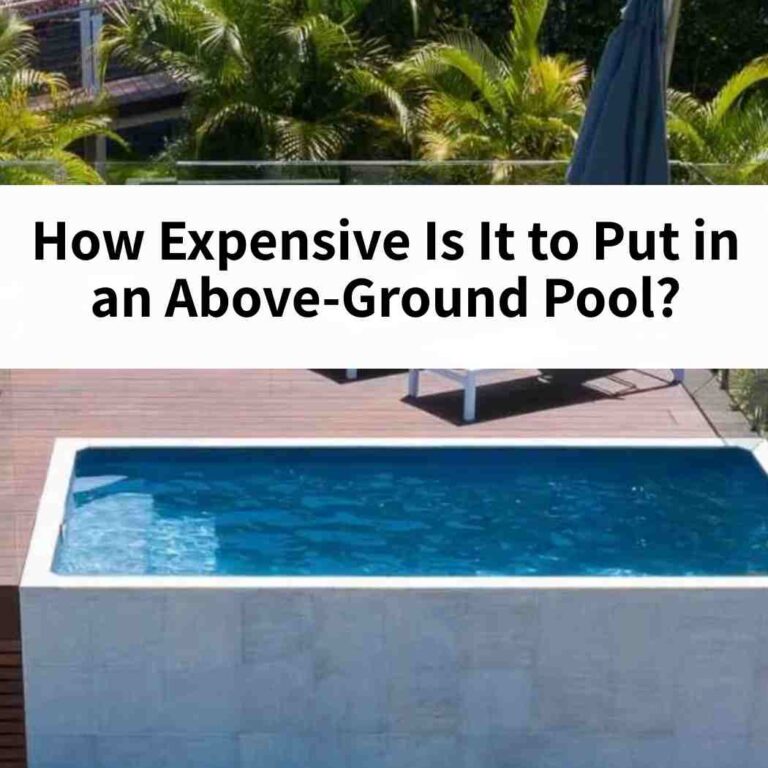
A compliant above-ground pool fence in QLD typically costs $1,500 to $6,000+. The final price depends on fence type, size, and site access. Glass fencing costs more than aluminium, but both must meet QLD pool safety laws and AS1926 standards.
Do I need a fence if my above-ground pool is on a deck or raised platform?
Yes. You still need a compliant fence even if your above-ground pool is on a deck. The deck can create climbable access points, so barriers, gates, and non-climbable zones must meet full QLD pool compliance requirements.
What are the most common reasons pool fences fail inspection in QLD?
Pool fences in QLD fail mainly due to climbable objects, incorrect gaps, and faulty gates. Common issues include gaps over 100mm, gates not self-closing, and objects within the 900mm non-climbable zone. These are strict inspection points under pool safety laws.
What is a pool safety certificate, and when do I need one in QLD?
A pool safety certificate confirms your pool fence meets QLD compliance laws. You need it when selling or leasing a property. A licensed inspector checks barriers, gates, and safety features before issuing the certificate.
Can above-ground pool walls fully replace a fence in QLD?
Yes, but only if the pool wall is at least 1200mm high and non-climbable. You must still secure ladders and entry points. Most failures happen at access points, not the wall, so full compliance is still required.