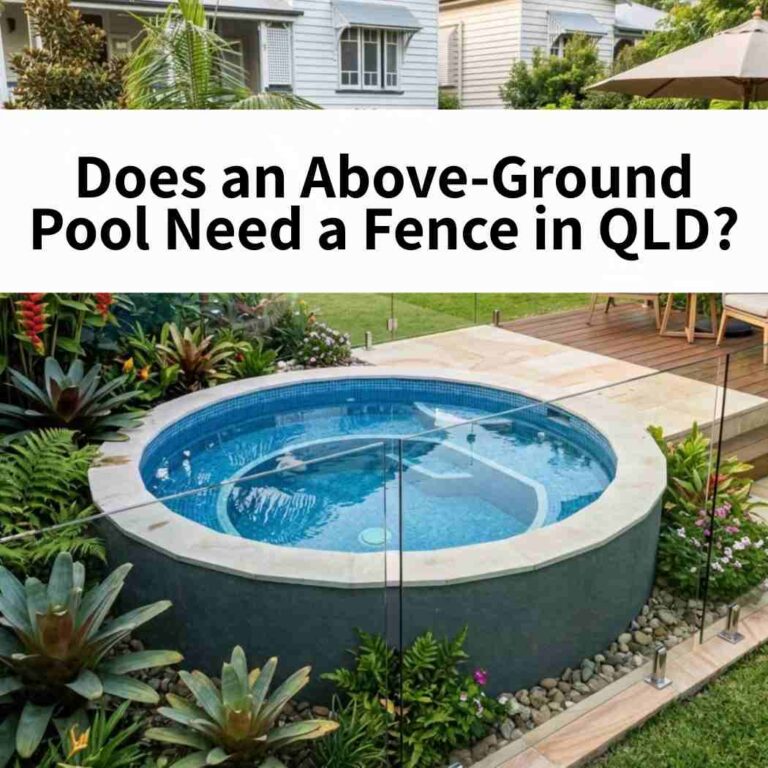
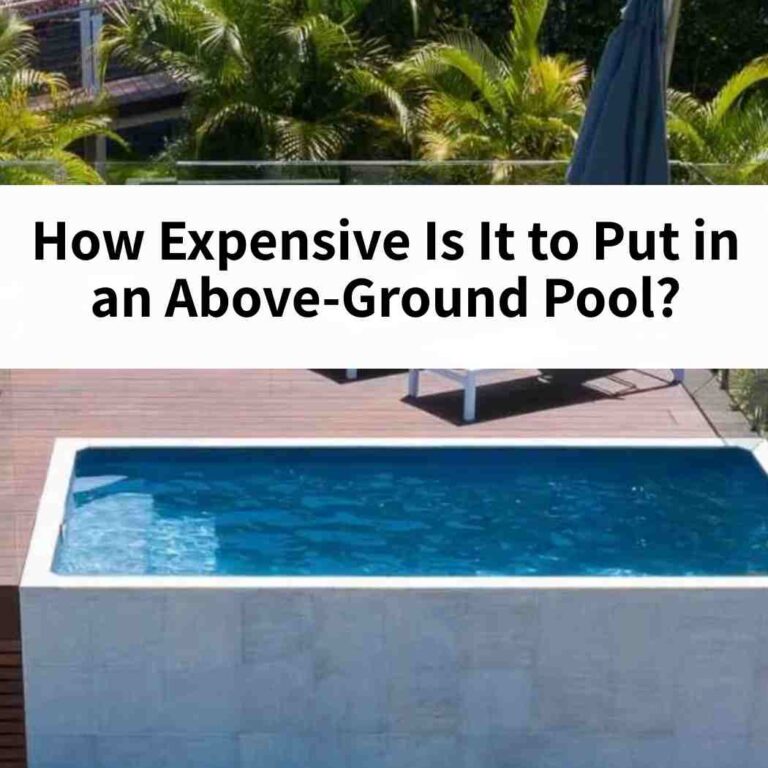
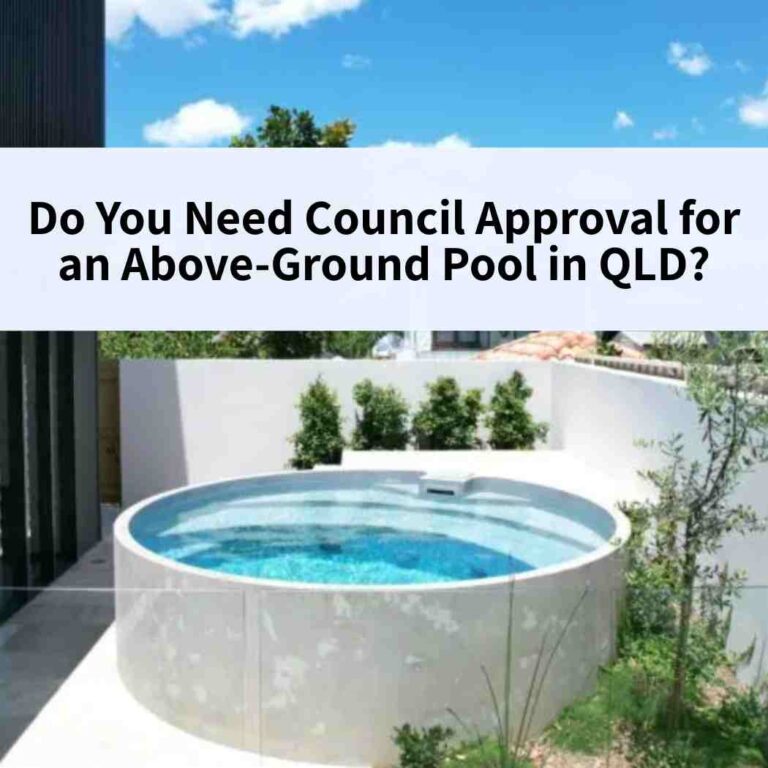
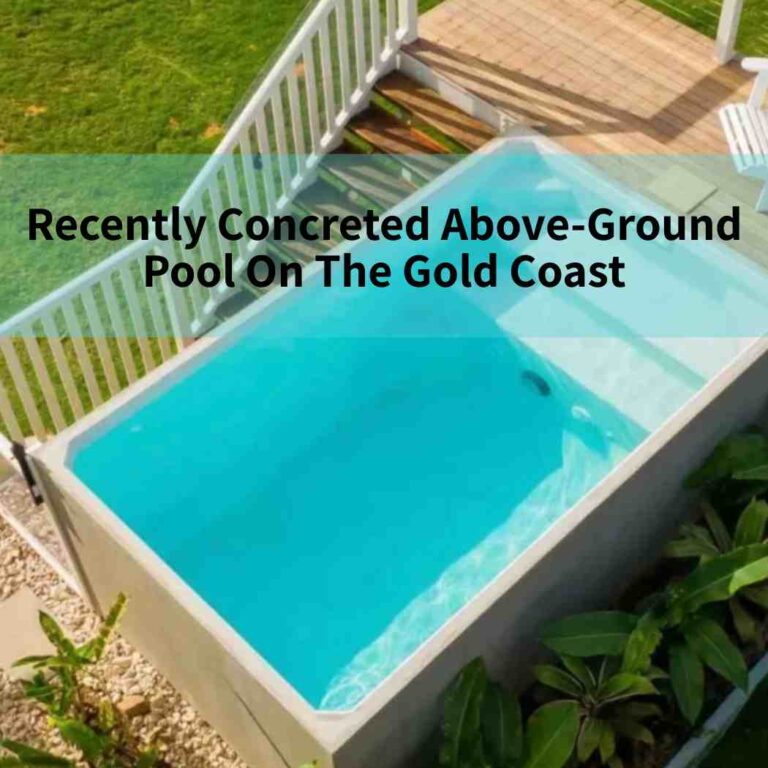
At Plunge Pools Gold Coast, we help homeowners design and install compliant above-ground pools in QLD, including concrete pools and plunge pools across the Gold Coast. We understand local council rules, building approval requirements, and pool safety laws, so you avoid delays, fines, or failed inspections.
In this guide, you will learn when approval is required, what the 300mm rule means, which pools are exempt, and how to stay compliant from the start.
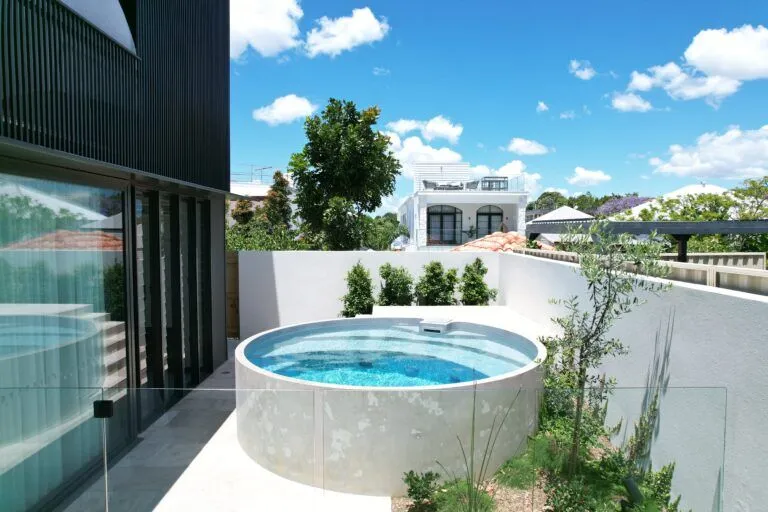
Why the 300mm Rule Matters
The 300mm rule exists because any pool deeper than this is a real drowning risk. In QLD, once your pool passes this depth, it becomes a regulated pool under pool safety regulations.
This triggers key requirements like pool fencing, QBCC pool registration, and safety inspections. Even a small above-ground pool on the Gold Coast can fall into this category if it holds enough water.
If you ignore this rule, the risk is serious. You may face fines, forced changes, or even the removal of the pool. It can also delay or stop the sale of your home if the pool is not compliant.
It’s also worth understanding how much an above-ground pool costs before installing one, so you can budget for approvals, fencing, and compliance.
What Pools Don’t Need Approval
You don’t need council approval in QLD if your pool holds less than 300mm of water, has a capacity under 2,000 litres, and has no filtration or pump system. These are typically small portable wading pools for children.
In Queensland, pool laws are based on water depth, volume, and functionality, not just the type of pool. This means even an inflatable or temporary pool can become a regulated swimming pool if it crosses certain limits.
To stay exempt from pool approval and registration, your pool must meet all three conditions:
- Water depth under 300mm
- Capacity below 2,000 litres
- No pump, filter, or recirculation system installed
These are commonly called:
- Portable wading pools
- Kids’ inflatable pools
- Temporary backyard splash pools
Building vs Council Approval (What’s the Difference?)
Building approval checks that your pool is safe and built to code. Council approval checks where the pool sits on your land and if it follows zoning rules.
In QLD, all regulated above-ground pools need building approval through a licensed building certifier. This covers things like pool fencing, gate compliance, and structural safety.
Council approval is different. It looks at setbacks, easements, drainage, and planning overlays on your Gold Coast property. Not every pool needs this, but some sites do.
In many cases, you may need both approvals at the same time to stay fully compliant.
When You’ll Likely Need Council Approval
You are more likely to need above-ground pool approval in QLD from the council if your pool affects how your land is used or developed.
This often applies if:
- Your property has zoning restrictions or planning overlays
- The pool is close to boundaries, fences, or easements
- It affects drainage, stormwater flow, or existing structures
These situations go beyond basic safety. They fall under town planning rules on the Gold Coast, not just building compliance.
If your site is tight, sloping, or has easements, council approval is much more likely.
Quick Decision Guide
You likely need above-ground pool approval in QLD if:
- Your pool depth is 300mm or more
- It has a filtration system or a pump
- It is permanent or semi-permanent
- It will stay in place long-term
You may not need approval if:
- It is a small, shallow wading pool
- It holds less than 300mm of water
- It has no pump and is temporary
When in doubt, treat your pool as a regulated above-ground pool in QLD. This helps you avoid compliance risks, fines, and costly changes later.
Conclusion
If your above-ground pool in QLD holds 300mm or more of water, you will almost always need approval, fencing, and QBCC registration. On the Gold Coast, rules can vary by block, so it is smart to check before you build.
If you want expert help, reach out to Plunge Pools Gold Coast and mention my offer of services. We can guide you through approvals, design, and full installation so you avoid delays and fines.
FAQs
Do I need a fence for a temporary or inflatable above-ground pool in QLD?
Yes, you need a fence if your pool holds 300mm or more of water. In QLD, depth decides the rule, not the type. Even inflatable or temporary pools must have compliant fencing with a self-closing, self-latching gate.
What happens if I install an above-ground pool without approval in QLD?
You can be fined and forced to fix or remove the pool. In QLD, non-compliant pools can also delay or stop a property sale. You may need to pay for inspections, upgrades, and approvals after installation, which can be more expensive.
How long does it take to get pool approval on the Gold Coast?
Pool approval on the Gold Coast usually takes 1 to 3 weeks. Simple sites are faster. Complex sites with zoning or drainage issues can take longer. Working with a building certifier early helps speed up the process.
Does my above-ground pool need to be registered with the QBCC?
Yes, your pool must be registered if it holds 300mm or more of water. In QLD, all regulated pools must be on the QBCC pool register. This applies to above-ground, in-ground, and some portable pools.
Can I place an above-ground pool near a boundary or fence on the Gold Coast?
No, not always. Pools must follow setback rules and cannot interfere with fences, gates, or non-climbable zones. On the Gold Coast, placing a pool too close to a boundary can trigger council approval or design changes.